If you picture wine country as a place you only visit on weekends, Northern Virginia may surprise you. In this part of Virginia, wine country is not just a destination. It is a real day-to-day lifestyle that can range from connected suburbia to quiet countryside. If you are wondering what it actually feels like to live here, this guide will walk you through the pace, housing options, commute patterns, and weekend rhythm across Loudoun and Fauquier counties. Let’s dive in.
What Northern Virginia Wine Country Means
Northern Virginia wine country is best understood as a lifestyle corridor stretching from eastern Loudoun County into western Loudoun and Fauquier County. Loudoun promotes itself as DC’s Wine Country, with more than 50 wineries and tasting rooms, while Fauquier is known as Virginia’s Horse & Wine Country. Together, they create a region where vineyards, open views, village centers, and residential communities all overlap.
For you as a buyer, that matters because everyday life can look very different depending on where you land. One area may give you easier transit access and a more suburban setup. Another may offer more land, a quieter pace, and a stronger rural feel.
Daily Life by Area
Eastern Loudoun: Connected and Convenient
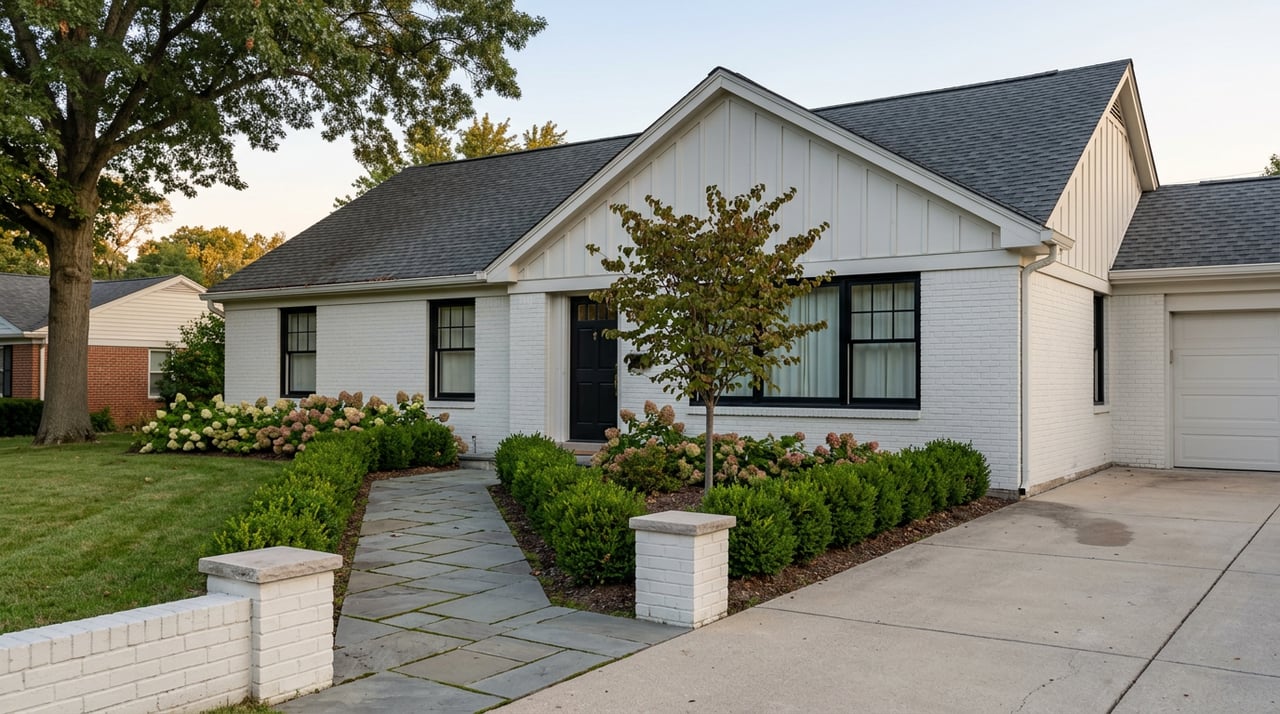
Eastern Loudoun blends fast-growing residential communities with strong regional access. Places like Ashburn and Sterling fit buyers who want a Northern Virginia lifestyle with more built-in convenience, including commuter options and proximity to services. You still get access to the broader wine-country identity, but your daily routine may feel more suburban than rural.
This part of the region often works well if you want to stay tied into the Washington area during the workweek. You can enjoy vineyards, trails, and scenic drives on weekends without giving up the practical benefits of a more connected location.
Western Loudoun: Scenic and Village-Oriented
Western Loudoun offers a different pace. Towns and communities like Leesburg, Purcellville, Lovettsville, Waterford, and Middleburg help define a lifestyle that feels more scenic, village-oriented, and rooted in the countryside. According to Loudoun County planning materials, the rural policy area covers about two-thirds of the county and supports farms, vineyards, equine uses, bed-and-breakfast lodging, and home-based businesses.
That mix creates a daily rhythm many buyers find appealing. You may be closer to open land, rural roads, and historic village settings while still remaining within the same county as commuter-focused eastern Loudoun.
Fauquier: Rural and Horse Country Feel
Fauquier County leans furthest into the rural side of wine country living. The county describes itself as a largely rural Piedmont locality, and its planning framework concentrates most development inside service districts that cover less than 10% of county land. That helps preserve the spacious, low-density feel many people associate with horse country.
Communities such as Warrenton, Remington, The Plains, Marshall, Upperville, and Paris help shape that identity. If you are looking for a place where the landscape plays a bigger role in daily life, Fauquier often delivers the deepest countryside feel in this region.
Housing Choices in Wine Country
Loudoun Housing Options
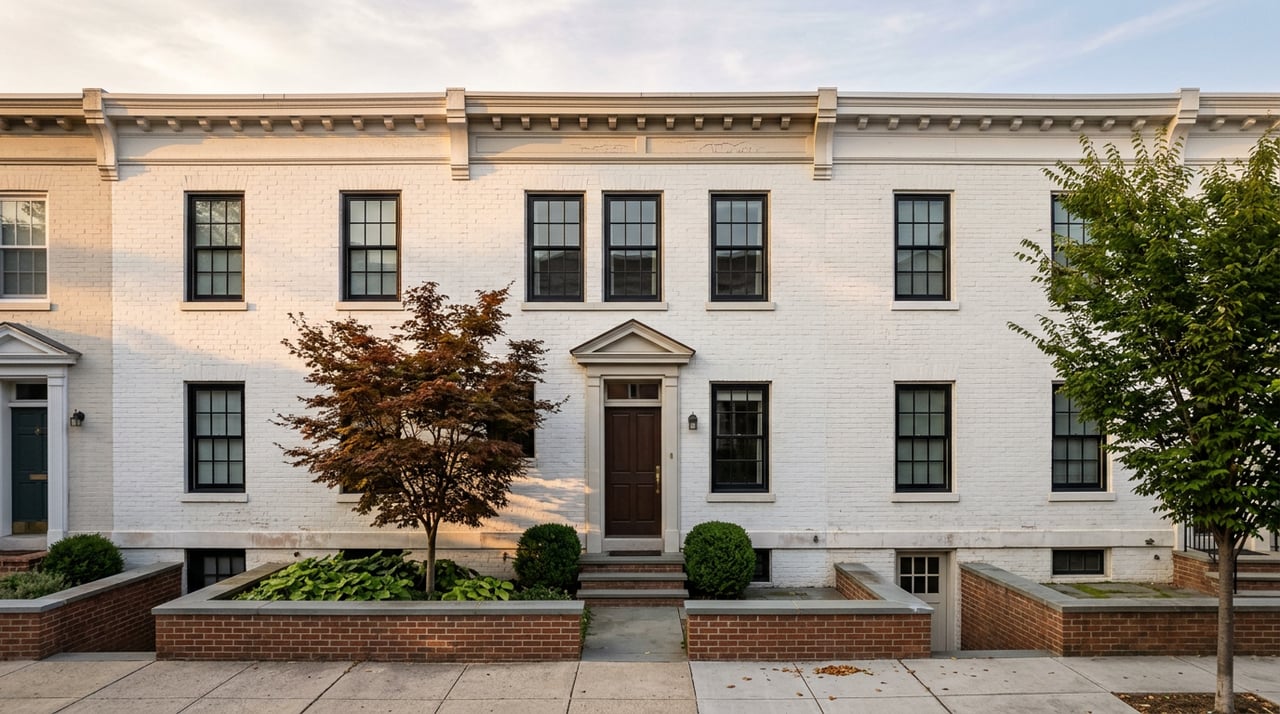
One of Loudoun County’s biggest advantages is variety. County planning documents show a mix of townhomes, duplexes, multifamily housing, suburban single-family neighborhoods, clustered development, and rural subdivisions with larger lots. In practical terms, you can choose between a more conventional suburban setup and a more countryside setting without leaving the county.
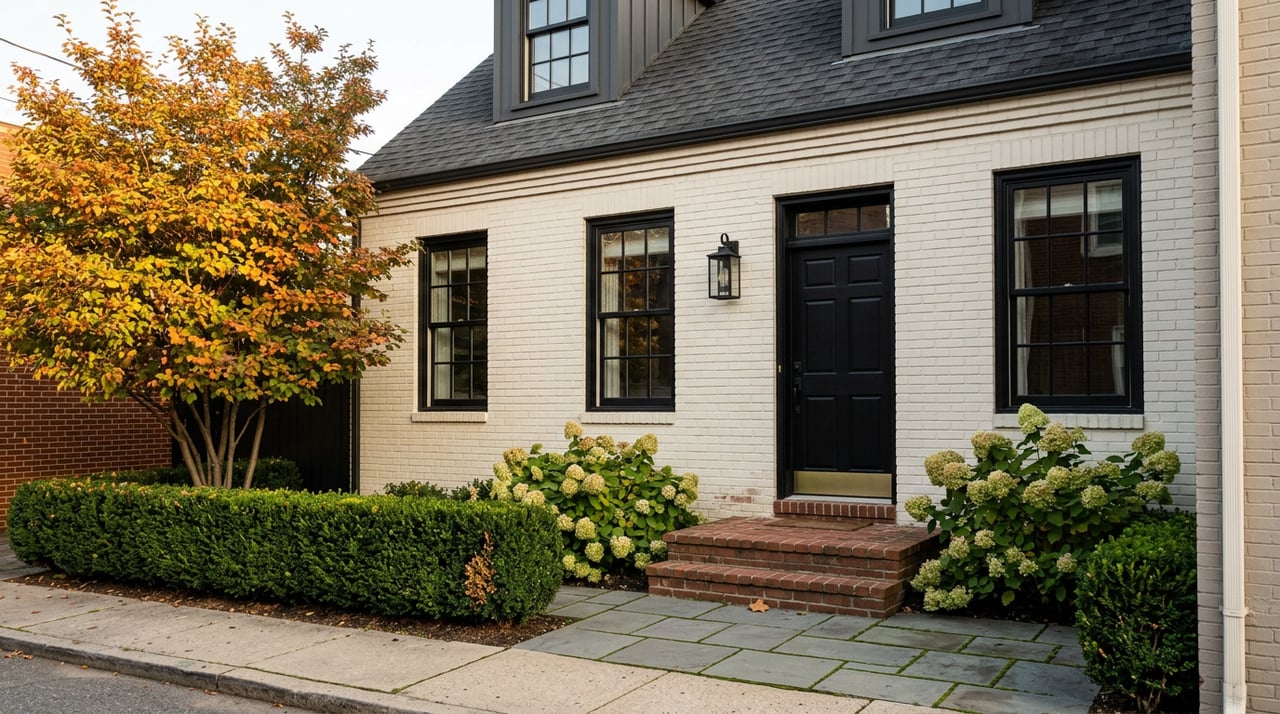
Loudoun also preserves some of its village character through its rural historic village program. Historic districts and village areas such as Aldie, Bluemont, Taylorstown, and Waterford help explain why some parts of the county feel distinct from standard suburban growth.
Fauquier Housing Options
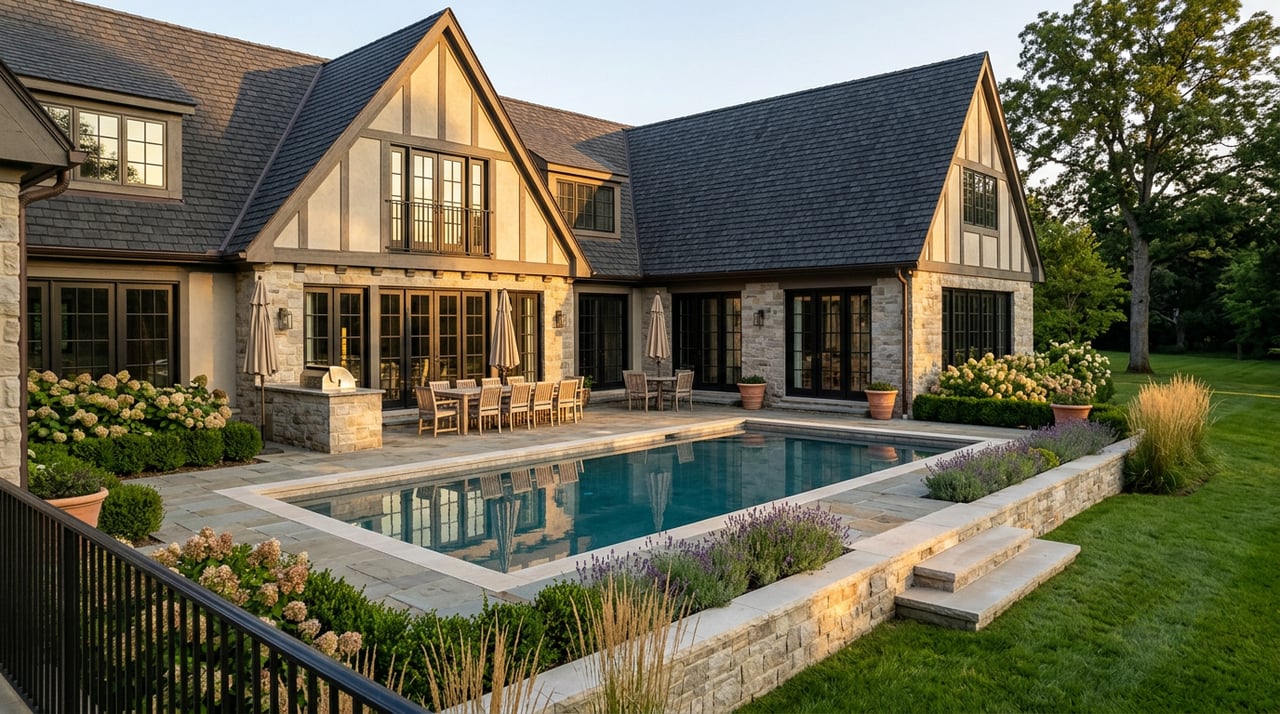
Fauquier’s housing conversation tends to center more on larger lots, village homes, rural residential properties, and land-use patterns shaped by zoning. The county’s zoning and permit structure covers accessory dwelling units, guest houses, tenant houses, and other rural property uses, which reflects the more land-based nature of housing here. It is a setting many buyers explore when they want more space or a property that supports a rural lifestyle.
Fauquier also highlights conservation easements and land-use programs that help preserve agricultural, forestal, and open-space land. That preservation focus reinforces the county’s lower-density character.
Commuting and Getting Around
Loudoun Commute Options
If commuting matters, Loudoun generally offers the strongest transportation network in Northern Virginia wine country. The county provides commuter bus service, fare-free local buses, on-demand service in Leesburg, park-and-ride options, and Silver Line access at Dulles Airport, Loudoun Gateway, and Ashburn.
That does not mean every Loudoun location feels the same. Still, if you expect to travel into Washington, Rosslyn, the Pentagon, Crystal City, or nearby job centers a few days a week, Loudoun usually offers more flexibility.
Fauquier Transportation Pattern
Fauquier’s transportation system is more road-based. The county’s transportation resources focus on park-and-ride locations, regional transit, Virginia Regional Transit, school transportation, road maintenance, and the Warrenton-Fauquier Airport. In everyday terms, that usually means a more car-dependent lifestyle.
For some buyers, that is a fair trade for more space and a quieter setting. Fauquier is still connected to the broader region, but daily travel is more likely to revolve around driving and longer trips.
What Weekends Usually Feel Like
Wineries and Events
In Loudoun, the wine scene is active and event-driven. Visit Loudoun highlights tastings, harvest dinners, grape stomping, live music, yoga in the vines, guest chef appearances, and farm-to-table dining. That means your weekends can feel social and relaxed without needing a city-style nightlife calendar.
Fauquier’s wine and dining culture tends to feel a little quieter and more destination-oriented. Tourism examples include Harry’s at Airlie, Hunter’s Head Tavern, Buckland Farm Market, and Cast Iron Craft House. The overall mood is more long lunch than late night.
Trails, Parks, and Outdoors
Outdoor time is a major part of the lifestyle in both counties. Loudoun promotes its Trails and Waterways system, including the 45-mile W&OD Trail, and destinations like Banshee Reeks Nature Preserve and Franklin Park. These options support everything from easy walks to broader family recreation.
Fauquier’s park system brings a more pastoral version of that same rhythm. C.M. Crockett Park includes fishing, boat rentals, trails, and seasonal winter skiing, while other county parks add paved paths, ponds, wooded walks, and scenic open space.
Who Each Area Fits Best
Choose Eastern Loudoun If You Want Convenience
Eastern Loudoun may be the better fit if you want a smoother commute, easier access to transit, and a more suburban daily routine. It can work especially well if your schedule still ties you closely to the larger DC region.
Choose Western Loudoun If You Want Balance
Western Loudoun often appeals to buyers who want a middle ground. You can get more scenery, village character, and rural atmosphere while keeping access to services and parts of the county that feel more connected.
Choose Fauquier If You Want Space
Fauquier often stands out for buyers who want a stronger sense of separation from suburban density. If your priority is larger lots, open views, and a true horse-country atmosphere, Fauquier may feel like the most natural fit.
The Big Lifestyle Tradeoff
The clearest way to think about Northern Virginia wine country is as a suburban-to-rural continuum. Eastern Loudoun offers the most convenience and connectivity. Western Loudoun delivers a scenic mix of access and countryside character. Fauquier gives you the deepest rural feel and a landscape shaped by preservation, agriculture, and open space.
That is why the right choice depends less on the label “wine country” and more on how you want your weekdays to function. Your ideal home may come down to commute style, lot size, preferred pace, and how close you want to be to village centers, trails, and wineries.
If you are thinking about a move in Northern Virginia wine country, Paul Wesley Real Estate can help you compare communities, property types, and lifestyle tradeoffs with clear, steady guidance.
FAQs
What is everyday life like in Northern Virginia wine country?
- Everyday life in Northern Virginia wine country usually centers on a mix of residential living, scenic drives, local parks, wineries, farm markets, and village-style destinations, with the pace ranging from suburban in eastern Loudoun to more rural in Fauquier.
Which county is more commuter-friendly in Northern Virginia wine country?
- Loudoun County is generally more commuter-friendly because it offers commuter buses, local transit, park-and-ride options, and Silver Line access.
What kind of homes can you find in Northern Virginia wine country?
- Home options range from townhomes, condos, and suburban single-family homes in parts of Loudoun to larger-lot homes, rural residential properties, and village homes in western Loudoun and Fauquier.
Is Fauquier County more rural than Loudoun County?
- Yes, Fauquier County is more rural overall, with most development concentrated inside limited service districts and much of the county preserving a low-density Piedmont landscape.
What do weekends look like in Loudoun and Fauquier wine country?
- Weekends often include winery visits, outdoor events, trail time, county parks, farm markets, and destination dining rather than nightlife-centered routines.
Is Northern Virginia wine country a good fit for buyers who want more space?
- It can be, especially in western Loudoun and Fauquier, where buyers often find larger lots, more open land, and housing patterns shaped by rural land use.