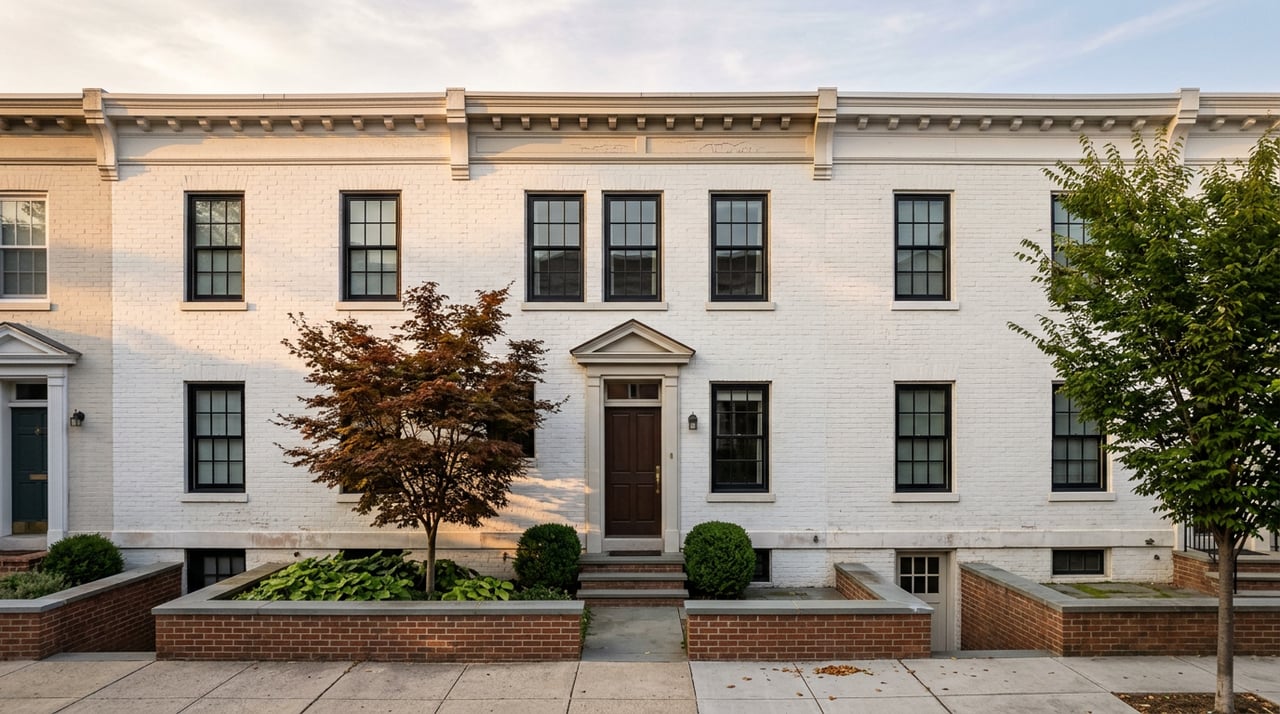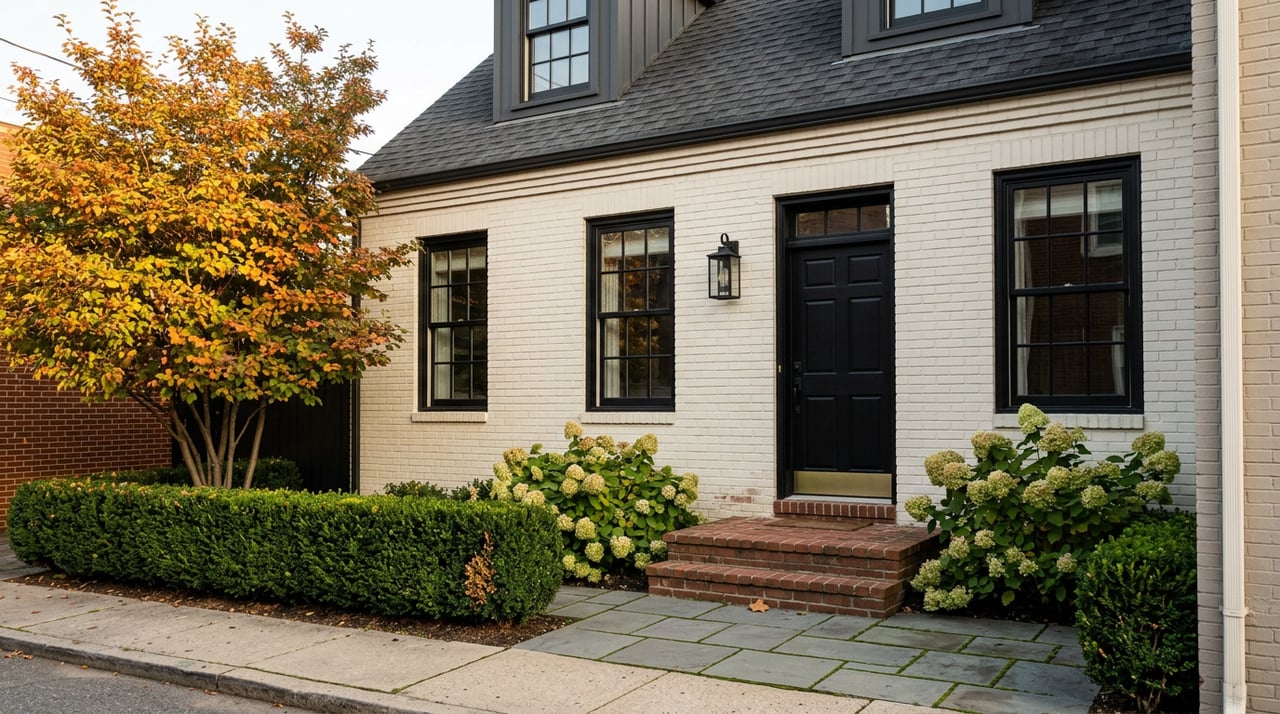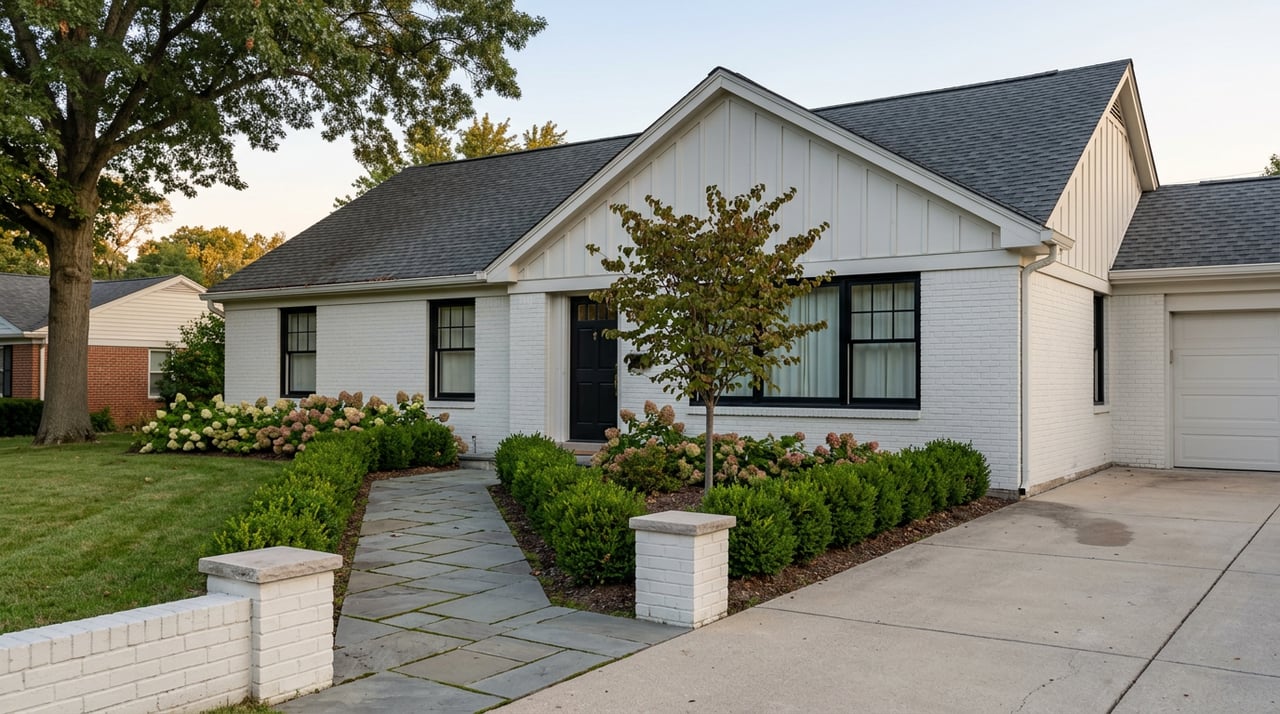
On July 14, 2026, the Annapolis Historic Preservation Commission heard two applications on the same agenda. One asked to build a fifteen-inch masonry wall at 86 Duke of Gloucester Street, capped with a two-inch bluestone slab. The other asked to add a rooftop deck with elevator and stair access, plus two ADA-accessible restrooms and new storefront windows, at 4 Church Circle. That second application referenced three earlier approvals the Commission had already granted for the same project, dating back to 2023.
The wall is the kind of project a homeowner might handle inside a single review cycle. The Church Circle building has been moving through the process for the better part of three years, one amendment at a time. Both projects sit inside the same roughly 1,200-property Historic District, subject to the same ordinance. What separates them is not the size of the property or the ambition of the owner. It is which review track the work falls into, and that track is set by rules most sellers never read until a contractor asks them for a Certificate of Approval number they don't have.
If you're preparing to list a home inside Annapolis's Historic District this fall, that distinction matters more than paint color or staging schedule. Here is how the two-track system actually works, and what it means for the timeline you're trying to protect.
Why the Same District Runs on Two Different Clocks
Every exterior change inside the Historic District needs a Certificate of Approval before a building permit can be issued, even for work that would otherwise be exempt from permitting entirely. The city's own guidance to owners is blunt about sequencing: submit applications for review and approval before signing a contract or starting the work.
What most people don't realize is that "Certificate of Approval" doesn't mean one process. It means two, and they run at completely different speeds.
The administrative track lets Historic Preservation Division staff approve certain categories of work on their own, without a hearing. If a project meets the published guidelines, an administrative Certificate of Approval can be issued immediately following staff review, with the approval reported to the full Commission later on a quarterly basis. This track exists for the kind of work the Commission has already decided doesn't need a public airing: replacement-in-kind repairs, pre-approved brick paving patterns, minor landscape changes, and select driveway or patio work.
The public hearing track is everything else. It requires a spot on the Commission's monthly agenda, a formal notice period, and a vote by a quorum of Commission members. Both the March 10 and July 14 hearings in 2026 landed on a Tuesday, consistent with the Commission's standard monthly meeting rhythm. Administrative business, separately, is handled at meetings held on Thursdays.
What Actually Requires a Certificate, and What Doesn't
The list of triggers is longer than most sellers expect. Under the city's own zoning code, any new fence or wall, and any alteration to an existing one, requires Historic Preservation Commission review if the property sits inside the Historic District, regardless of the fence's size or material. Window and door replacements fall under review too. The Commission's guidelines direct owners toward repair over replacement wherever possible, and when replacement is unavoidable, the new material has to match the original in design and appearance, documented with photographs and product specifications.
Tree removal is regulated as well. Every tree removal inside the Historic District requires Commission approval, and even a tree an owner believes is dead or diseased needs certification from an independent arborist rather than a tree service company before removal can proceed.
What doesn't trigger review, generally, is interior work. Kitchen and bathroom renovations, structural changes that don't touch a character-defining exterior feature, and routine maintenance as defined under the city's own code typically move forward without a Certificate. The dividing line the Commission actually applies again and again is visibility from the public right of way. A paved patio or driveway tucked behind a building and not readily visible from the street is eligible for the faster administrative track. The same work facing Duke of Gloucester Street or Prince George Street is a different conversation.
The Calendar Mechanics That Catch Sellers Off Guard
Even once a project lands on the public hearing track, several procedural steps have their own lead times that stack on top of each other rather than running in parallel.
A sign has to be posted on the property announcing the hearing date at least fifteen days before that hearing, and it has to stay up for seven days afterward. Separately, the city must give the public seven days' advance notice of the hearing itself, through a legal advertisement or a posting on the city's website, naming the applicant, the address, and a description of the work.
Once an application reaches the Commission, state and local rules give members forty-five days to decide it, but that clock only starts once staff has determined the application is complete. An incomplete submission gets sent back with a list of what's missing, and the forty-five-day window doesn't begin until the resubmission clears that bar. If the Commission believes an application is close but not quite there, it can continue the case to a future hearing, and that continuance is itself subject to the same forty-five-day limitation unless the applicant agrees to waive it.
None of this is unusual by the standards of historic district administration elsewhere in the region. It is simply a set of dates that have to be worked backward from a target listing date, not treated as an afterthought once a contractor has already started.
The Ogle Hall Example: What Pushes a Project Into the Slower Track
The same July 2026 hearing agenda that included the Duke of Gloucester Street wall also included proposed exterior changes at Ogle Hall, the landmark property at 247 King George Street. The application involved installing a curb cut near the intersection of King George Street and College Avenue, adding a circular driveway, and revising the planting plan.
None of those three items is unusual on its own. A new curb cut, a reconfigured driveway, and updated landscaping happen at plenty of Historic District properties every year. What pushes a project like this toward full Commission review rather than a staff-level sign-off is the combination of factors the guidelines are built around: visibility from a major public intersection, proximity to a recognized landmark, and a change to how a property engages with the street rather than a simple in-kind repair.
The Church Circle building's three-year, multi-application history is the clearest illustration of what happens when a project keeps hitting that same combination of factors as it evolves. A rooftop deck, an elevator, restroom additions, and storefront window changes are all visible, all significant, and all the kind of scope changes that reset the review conversation each time the plans shift. That is not a sign anyone did anything wrong. It's what happens when ambitious, highly visible exterior work meets a review process designed to slow down exactly that kind of change.
What This Means If You're Listing This Fall
Inventory context makes the timing pressure sharper still. Anne Arundel County posted just 1.9 months of housing supply in May 2026, and a separate report on the city of Annapolis specifically put second-quarter 2026 inventory at 2.8 months, both far under the six-month mark that typically separates a buyer's market from a seller's. In a market that constrained, a listing that's actually ready to show has real leverage. A listing still waiting on a pending Certificate of Approval does not.
The premium the Historic Core commands only sharpens that point. Trailing twelve-month figures reported in June 2026 put downtown Annapolis's median sale price at $1,002,750, up 18 percent from the year before, with homes selling in an average of 16 days, among the fastest paces anywhere in the city. Zoom into individual pockets and the spread widens further. Data published in July 2026 put the median listing price in the area identified as the Downtown Height District above $1.5 million, with homes there averaging 26 days on market, compared to a median under $800,000 in Hillsmere Shores, a waterfront-adjacent community elsewhere in the city where homes averaged 25 days on market over the same period. Citywide averages simply cannot capture that range, which is exactly why a Historic District seller needs comparables from inside the district, not the city as a whole.
The practical takeaway is straightforward. If there's exterior work planned before a listing goes live, whether that's a fence, a repointed brick facade, a new driveway, or window repairs, the Certificate of Approval process needs to start well before a contractor signs a bid or a listing date gets promised to anyone. A pre-application meeting with Commission staff, available to any prospective applicant before a formal submission, can often tell you in advance which track a project is likely to land on.
A Few Questions Worth Settling Before You Call a Contractor
Does interior renovation need Historic Preservation Commission approval? Generally, no. Interior work is typically outside the Commission's authority unless it affects a character-defining exterior feature.
Can I find out which track my project falls into before I file anything? Yes. Prospective applicants can request a pre-application meeting with the Commission before submitting a formal Certificate of Approval application, which is the fastest way to learn whether a project qualifies for administrative review or needs a full hearing.
Does a Certificate of Approval expire? Yes. Before an approved Certificate expires, an applicant can request one extension of up to twelve months in writing, as long as the scope of the project hasn't changed.
What if the work is small and clearly cosmetic? Small doesn't always mean simple in this district. A modest garden wall or a driveway replacement can qualify for the faster administrative track, but only if it meets specific published criteria, including visibility from the street. The safest first step is always a conversation with Historic Preservation Division staff before work begins, not after.
If you're weighing a sale inside Annapolis's Historic District this year, or trying to figure out how a planned renovation fits into your timeline, Paul Wesley Real Estate can help you map the process against your actual selling calendar, so the Commission's clock and yours are working together instead of against each other.