Choosing where to live in Washington, DC can feel exciting and overwhelming at the same time. Neighborhoods that are only a few miles apart can offer a very different pace, housing style, and daily routine. If you are trying to figure out which part of the city fits your lifestyle, this guide will help you compare four well-known areas and understand what living there can actually feel like. Let’s dive in.
Why DC neighborhoods feel so different
Washington, DC is known for being walkable and transit-oriented, but your everyday experience still depends a lot on where you live. The District says its transportation system is built around walking, transit, biking, rolling, and driving, and more than 80% of residents are within a quarter mile of a Capital Bikeshare station. At the same time, the city also notes that some areas still do not have easy access to frequent public transportation.
Housing stock is another big reason neighborhoods feel distinct. In DC, the age and type of homes often shape the character of the area just as much as the street layout or business corridors do. Historic districts like Georgetown, Capitol Hill, and Logan Circle have a very different look and rhythm from places like Brookland, which grew as a late-19th-century commuter rail village.
Capitol Hill living
Capitol Hill feel
Capitol Hill is one of DC’s most popular neighborhoods for good reason. It blends historic character, walkable streets, civic landmarks, and local businesses in a way that feels both lively and established. Around Eastern Market and Barracks Row, you get a strong mix of restaurants, everyday conveniences, and neighborhood activity.
If you like the idea of being in a place with steady foot traffic and a classic DC backdrop, Capitol Hill often stands out. It feels connected to the city’s history, but it is also practical for day-to-day life. Many people are drawn to the balance of residential blocks and active commercial corridors.
Capitol Hill homes
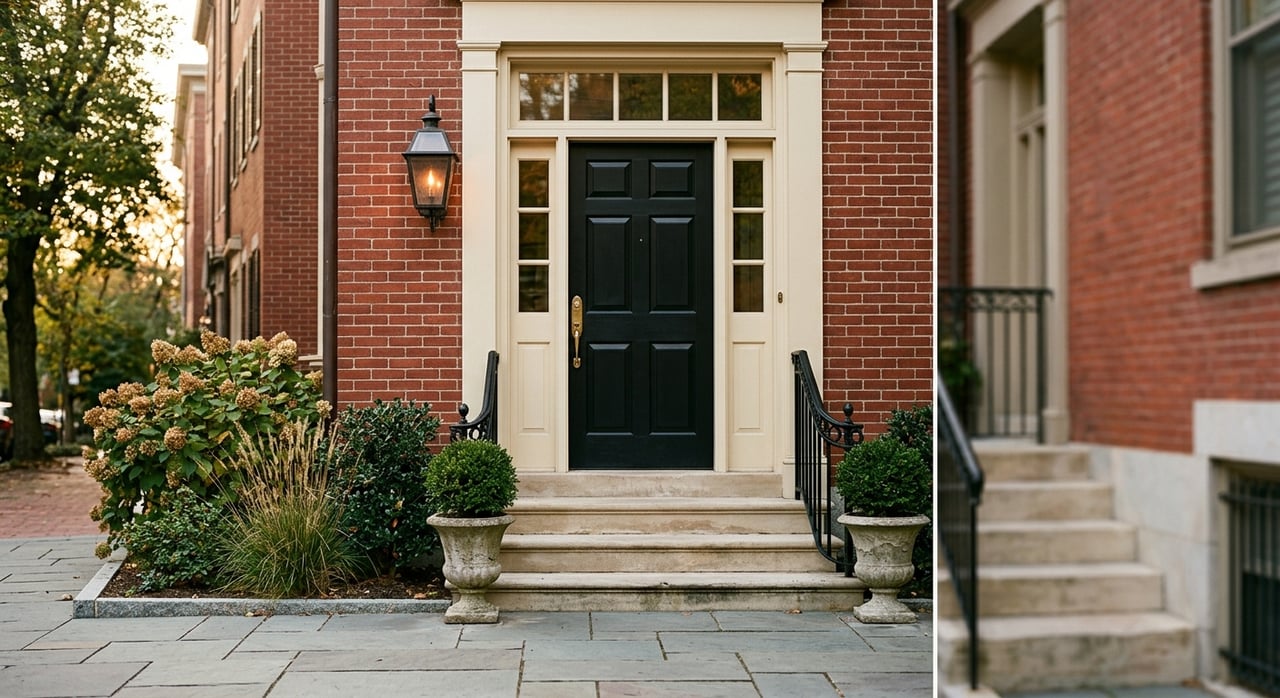
The neighborhood is known for 19th- and early 20th-century rowhouses. Architectural details like stained glass, ironwork, and turrets help give many blocks a distinct look. That historic housing stock is a major part of what makes Capitol Hill feel so recognizable.
Eastern Market is also a key neighborhood anchor. The District identifies it as DC’s oldest continually operating public fresh food market, and it remains an important community hub. That kind of long-running public space adds to the neighborhood’s strong sense of place.
Capitol Hill transit
Capitol Hill offers some of the strongest rail access in this group. Eastern Market and Capitol South connect to the Blue, Orange, and Silver lines, and Union Station is nearby for Amtrak, MARC, VRE, and Greyhound service. If you want a neighborhood where transit can play a big role in your routine, Capitol Hill is one of the easier options.
Georgetown living
Georgetown feel
Georgetown is known for historic charm and a polished retail and dining scene. Cobblestone sidewalks, grand homes, waterfront areas, and busy stretches near M Street and Wisconsin Avenue all shape the experience. It is one of the city’s most visually distinct neighborhoods.
If you are drawn to classic streetscapes and a strong sense of tradition, Georgetown often feels special. At the same time, it also has an active commercial side, with shops and restaurants woven into daily life. That blend gives it a more formal and curated feel than some other DC neighborhoods.
Georgetown homes
Historic preservation is central to Georgetown’s identity. The District says it was the first historic district in Washington, created in 1950, and it is also a National Historic Landmark. Exterior work in the neighborhood is subject to special review, which helps preserve a highly consistent historic streetscape.
That means living in Georgetown often comes with a strong visual continuity from block to block. If historic architecture is high on your list, this neighborhood is one of the clearest examples in DC. Its character is protected in a way that is uncommon even within a city known for historic housing.
Georgetown transit
Georgetown is the outlier here when it comes to Metro access because it does not have a station in the neighborhood. According to the Georgetown BID, Foggy Bottom-GWU is about a 15-minute walk away, and Rosslyn is also within walking distance. The area also has more than 3,800 parking spaces across 20 lots and garages.
For some buyers, that tradeoff is worth it because of the neighborhood’s architecture, shopping, and waterfront setting. For others, the lack of a Metro station may be a deciding factor. It is a good example of how DC living can vary a lot from one neighborhood to the next.
Logan Circle living
Logan Circle feel
Logan Circle offers one of the most urban-feeling lifestyles in DC. The neighborhood is known for busy restaurant and bar corridors, especially around 14th Street NW, along with boutiques and performance spaces nearby. It often appeals to people who want activity close at hand.
Even with that energy, Logan Circle also has a strong historic side. The neighborhood combines older architectural character with newer businesses and dining spots. That mix gives it a lively, polished feel that many people associate with central city living.
Logan Circle homes
The Logan Circle Historic District dates to 1972, with a period of significance from 1875 to 1900. The area is largely made up of three- to three-and-a-half-story rowhouses, mostly brick with stone trim. The circle itself is notable as DC’s last remaining residential traffic circle and is lined with grand Victorian mansions.
If you want a neighborhood with strong visual character and an unmistakably urban setting, Logan Circle checks both boxes. It feels historic without feeling quiet or removed. That is part of what makes it stand out in the city.
Logan Circle transit
Transit access is one of Logan Circle’s practical strengths. The neighborhood association notes nearby Green Line stations and a Red Line stop, and the area is widely seen as walkable. If you want to be near restaurants, shops, and transit without relying heavily on a car, Logan Circle offers that combination.
Brookland living
Brookland feel
Brookland has a more residential and institution-centered feel than the other neighborhoods in this guide. Washington.org describes it as DC’s Little Rome, with churches, arts spaces, and campus influence shaping the area. The Office of Planning also notes its roots as a late-19th-century commuter rail village.
If you prefer a quieter neighborhood atmosphere over a dense nightlife scene, Brookland may feel more comfortable. It still has activity, especially near the Metro stop and arts-oriented mixed-use areas, but the overall pace is more laid-back. Many people are drawn to its tree-lined streets and neighborhood-scaled setting.
Brookland homes
Brookland’s housing character is less formal than Georgetown or Logan Circle. The neighborhood includes older homes, Victorian influences, bungalow-filled streets, and some newer mixed-use development near the station. That mix gives it a more relaxed and varied look.
For buyers who want a neighborhood that feels residential first, Brookland often stands out. It does not revolve around one major commercial corridor in the same way as some central DC neighborhoods. Instead, its identity comes from homes, institutions, arts spaces, and local gathering points.
Brookland transit
Brookland-CUA is a Red Line station with Metrobus connections and bike parking and lockers. That makes Brookland one of the easier northeast DC neighborhoods for rail access while still maintaining a more residential feel. If you want a calmer setting without giving up Metro convenience, Brookland is worth a close look.
How to compare these DC neighborhoods
Best fit for historic character
If historic character is your top priority, Georgetown and Capitol Hill are two of the strongest choices. Georgetown stands out for its preservation rules and highly consistent streetscape, while Capitol Hill is known for its rowhouses and long-established civic identity. Logan Circle also brings significant historic appeal, especially through its Victorian architecture.
Best fit for an active lifestyle
If you want a denser, more active daily environment, Logan Circle is the clearest match in this group. Its restaurant, bar, and boutique scene gives it a distinctly urban rhythm. Capitol Hill and parts of Georgetown also offer strong dining and commercial activity, but in different ways.
Best fit for a quieter setting
If your priority is a more laid-back residential feel, Brookland may be the strongest fit. It offers a calmer pace, older homes, and an identity shaped more by institutions, arts spaces, and neighborhood streets than nightlife. That can be especially appealing if you want a little more breathing room within the city.
Best fit for transit access
Capitol Hill and Brookland have the easiest direct rail access in this group. Logan Circle also performs well because of nearby stations and a walkable setting. Georgetown is the exception, since it does not have a Metro station within the neighborhood.
What this means for your move
The right DC neighborhood depends on what matters most to you in everyday life. You may care most about historic architecture, direct Metro access, walkable dining options, or a quieter residential setting. In Washington, those choices can shape your routine in a big way.
A thoughtful home search starts with more than price or square footage. It also means understanding how a neighborhood feels when you wake up there, commute from there, and spend your weekends there. That is where local guidance can make your decision much clearer.
If you are thinking about buying, selling, or relocating in Washington, DC, Paul Wesley Real Estate offers a warm, relationship-first approach built on trust, local insight, and clear guidance every step of the way.
FAQs
What is Capitol Hill like for everyday living in Washington, DC?
- Capitol Hill is known for historic rowhouses, walkable streets, local businesses, and strong rail access near Eastern Market, Capitol South, and Union Station.
What makes Georgetown feel different from other Washington, DC neighborhoods?
- Georgetown stands out for its cobblestone streets, preserved historic architecture, waterfront setting, and active shopping and dining areas, but it does not have a Metro station in the neighborhood.
What is Logan Circle like for people who want an urban Washington, DC lifestyle?
- Logan Circle offers a busy, central-city feel with restaurants, bars, boutiques, historic rowhouses, and access to nearby Metro stations.
What is Brookland like for buyers seeking a quieter Washington, DC neighborhood?
- Brookland has a more residential feel, with older homes, tree-lined streets, arts spaces, institutional landmarks, and Red Line access at Brookland-CUA.
Can you live in Washington, DC without a car?
- Yes. The District says DC is built around walking, transit, biking, rolling, and driving, though some neighborhoods make car-free living easier than others.