Wondering how to make your Maryland home stand out before it hits the market? You are not alone. Many sellers know they need to clean up and make a strong first impression, but it can be hard to tell which steps really matter and which ones just add stress. The good news is that a standout sale usually comes down to smart preparation, clear presentation, and staying ahead of Maryland-specific paperwork. Let’s dive in.
Start With Maryland Sale Prep
Before you paint a wall or move a piece of furniture, get clear on the documents and disclosures your sale may require. In Maryland, sellers of single-family residential property must use the state-standard disclosure or disclaimer form. Even if you plan to sell a home "as is," you still must disclose latent defects you actually know about.
That form covers important items such as major systems, hazardous materials, smoke alarms, and carbon monoxide alarms. It also states that the seller disclosure is not a substitute for an independent inspection. In practical terms, this means your sale prep should include both visual improvements and an honest review of the home’s condition.
If your home was built before 1978, lead-based paint rules also come into play before contract signing. You must disclose known lead information, provide the required EPA pamphlet, and allow the buyer an opportunity for a lead inspection. Maryland also warns that older homes may contain lead paint, so it helps to gather any records you already have early in the process.
Order Condo or HOA Documents Early
If your property is part of a condominium or homeowners association, do not wait until the last minute to request resale documents. In Maryland, condominium resale materials must be delivered no later than 15 days before closing. HOA disclosures have their own timing requirements and buyer cancellation rights if the documents are not provided early enough.
This is one of the easiest places for avoidable delays to happen. Ordering these documents early gives you more time to review fees, rules, and paperwork before your listing goes live. It also helps your transaction move more smoothly once you have a buyer.
Focus on What Buyers Notice First
When sellers get ready for market, it is tempting to think big. In reality, the most effective first steps are often the most practical ones. According to the National Association of Realtors 2025 staging report, the most common recommendations were decluttering the home, cleaning the entire home, and improving curb appeal.
That is a useful roadmap for your own prep plan. If you are deciding where to begin, start with anything that makes your home feel cleaner, lighter, and easier to understand. Buyers tend to respond quickly to spaces that feel open, cared for, and ready for the next chapter.
Declutter With Purpose
Decluttering is not about stripping your home of personality. It is about helping buyers see the space itself. Clear counters, simplify shelves, reduce extra furniture, and remove items that make rooms feel crowded or distracting.
This is especially important in areas where buyers naturally pause and imagine daily life. A room that looks spacious in person is also more likely to read well in photos. That matters because many buyers will first encounter your home online.
Clean Like It Is Part of Marketing
A deep clean is one of the highest-value prep steps you can take. Dust, smudges, odors, dull floors, and stained grout can quietly shape how buyers feel about a home. Even if they cannot name the issue, they often notice when a home does not feel fresh.
Think beyond surface tidying. Windows, baseboards, bathrooms, kitchen finishes, and entry areas all affect first impressions. Clean spaces also help your photography look brighter and more polished.
Improve Curb Appeal First
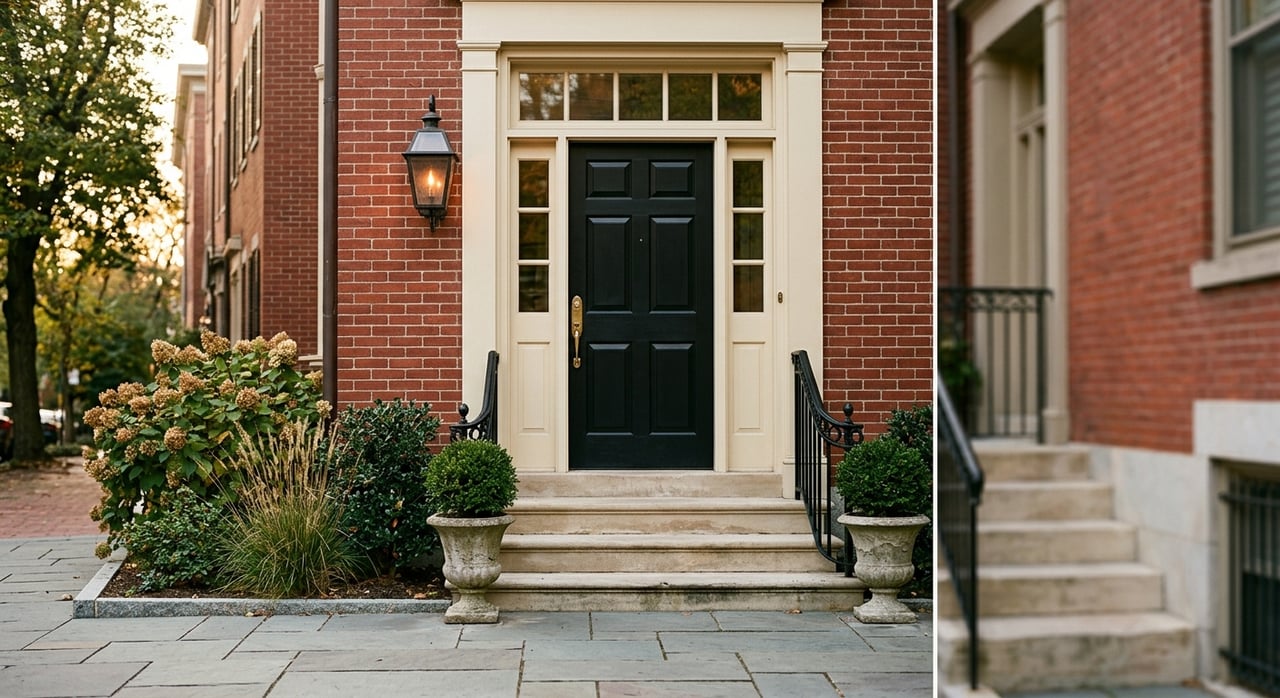
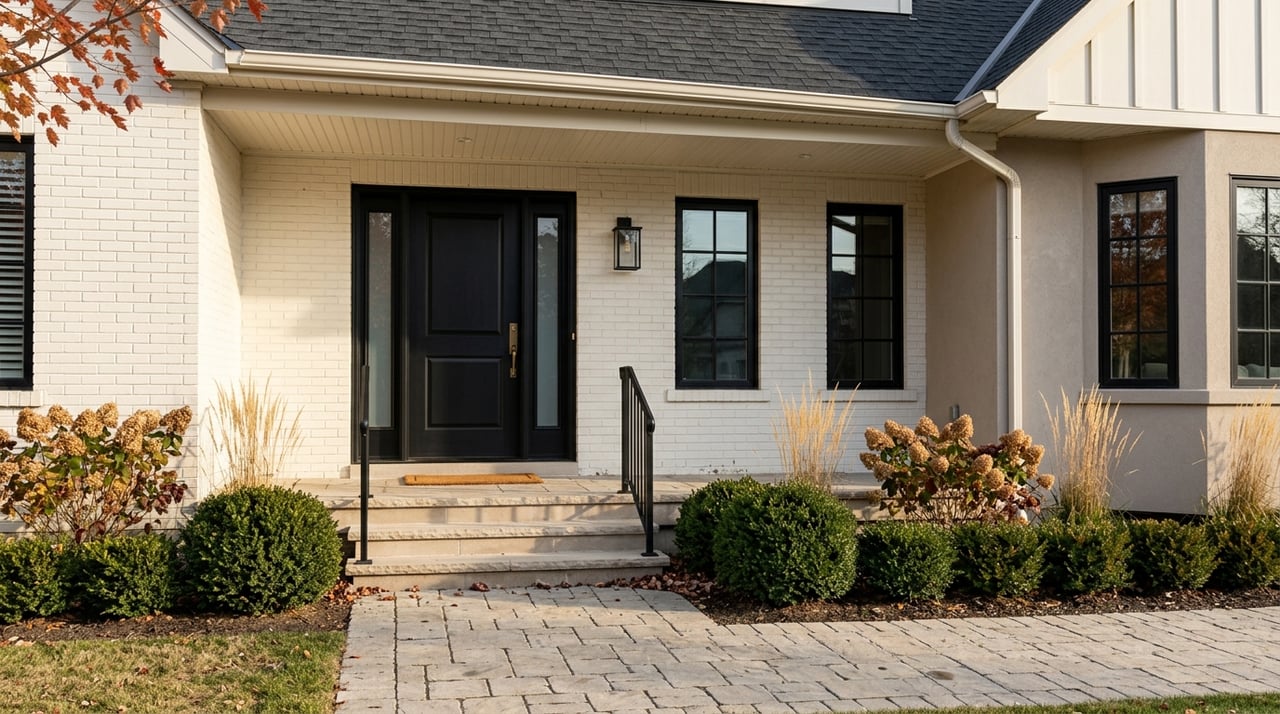
Your exterior sets expectations before a buyer even walks inside. Trim landscaping, edge the lawn, tidy planting beds, sweep walkways, and make sure the front door area feels crisp and welcoming. Small updates here can change the tone of the showing right away.
This does not have to mean a major project. In many cases, simple maintenance and visual cleanup are enough to create a stronger arrival. Buyers often notice outdoor space, parking, and overall upkeep early, so curb appeal has real practical value.
Stage the Rooms That Matter Most
Not every room needs the same level of attention. The 2025 staging report found that the living room was the most important room to stage for buyers, followed by the primary bedroom and the kitchen. If you are working within a budget, these spaces deserve the most focus.
The goal of staging is not excess. It is clarity. Buyers should be able to understand how a room functions, how furniture fits, and how the layout supports everyday living.
Living Room
Your living room often carries the emotional weight of the showing. It helps buyers picture how the home feels day to day. Keep seating balanced, remove oversized pieces, and create clear walking paths so the room feels comfortable and open.
Primary Bedroom
The primary bedroom should feel calm and spacious. Limit extra furniture, simplify bedding, and reduce visual clutter on dressers and nightstands. A restful, clean presentation can make the room feel larger and more inviting.
Kitchen
In the kitchen, less is usually more. Clear countertops, organize visible storage, and remove small appliances you do not use daily. Buyers often pay attention to layout, storage, and how the kitchen supports daily routines, so clean lines matter here.
Make Smart Updates, Not Random Ones
It is easy to overspend before listing a home. A better strategy is to focus on updates that support comfort, function, and presentation. Buyer preference data shows strong interest in air conditioning, the right bedroom count, private outdoor space, a layout that fits preferences, and ample storage or parking access.
That does not mean you can change everything before a sale. It does mean your prep plan should highlight the features buyers already care about. If your HVAC is functioning well, your storage areas are organized, and your outdoor space is neat and usable, those strengths should be part of your preparation.
If a repair affects comfort or confidence, it may deserve attention before cosmetic extras. On the other hand, highly personalized upgrades with little impact on how the home shows may not deliver the same return. A strong plan usually starts with visible maintenance, practical fixes, and spaces buyers can understand at a glance.
Treat Online Marketing as Part of Prep
Today, sale preparation does not stop at the front door. It also includes how your home will appear online. NAR reports that 51% of buyers found the home they purchased on the internet, and among buyers who used the internet, photos were the most useful website feature, followed closely by detailed property information and floor plans.
This matters because your listing may be competing for attention on both desktop and mobile screens. Buyers often decide within moments whether a home is worth seeing in person. Strong preparation helps your home perform better in those first digital impressions.
Great Photos Start Before Shoot Day
Professional photography works best when the home is already prepared. Clean surfaces, balanced furniture placement, open window coverings, and tidy outdoor areas all improve the final images. A camera tends to amplify clutter, awkward spacing, and unfinished details.
Buyer agents also rate photos as highly important in listings. That means your pre-listing effort and your marketing results are directly connected. The better your home looks before the shoot, the stronger your online debut is likely to be.
Floor Plans Help Buyers Picture Fit
Floor plans can add real value to a listing. Zillow’s 2024 housing trends report found that 86% of buyers were more likely to view a home if the listing included a floor plan they liked. The same report found that 77% said a dynamic floor plan showing what each photo depicts would help them decide whether a home fits.
For you as a seller, that means layout clarity matters. Buyers are not only asking whether a home is attractive. They are also asking whether it works for their furniture, routines, storage needs, and day-to-day life.
Video and Virtual Tours Can Support Interest
The 2025 staging survey also found that buyer agents considered videos and virtual tours highly important in listings. While not every home needs every marketing tool, visual assets work best when they are coordinated. Staging, photography, floor plans, and optional 3D tours should support the same story about the home.
That story should be simple and true. Your home should look clean, functional, welcoming, and easy to understand. When buyers can quickly grasp the layout and condition, they are better prepared to take the next step.
Follow a Simple Pre-Listing Timeline
Preparing a Maryland home for sale feels more manageable when you break it into a sequence. A typical flow is a pre-list walk-through, a punch list for repairs and decluttering, a staging plan for the main living spaces, a photo shoot, a review of disclosures and association documents, and then the listing launch.
This kind of step-by-step approach helps you prioritize instead of trying to do everything at once. It also reduces the chance of missing paperwork that could create delays later.
A Practical Seller Checklist
- Review known property issues and complete the Maryland disclosure or disclaimer paperwork as needed
- Gather records for repairs, maintenance, and any lead-related information for pre-1978 homes
- Request condo or HOA resale documents early if the property is in an association
- Declutter and deep clean the entire home
- Focus staging efforts on the living room, primary bedroom, and kitchen
- Improve curb appeal with basic cleanup and exterior maintenance
- Complete practical repairs that affect comfort, function, or buyer confidence
- Prepare for professional photos, floor plans, and any additional visual marketing
- Launch only after the home and paperwork are both ready
Why Guided Prep Matters
Most sellers do not need more opinions. They need a clear plan. NAR reports that sellers most often want help with marketing the home, pricing it competitively, selling on the right timeline, preparing the house for sale, and finding ways to fix it up for more value.
That is where thoughtful guidance can make a real difference. A strong prep strategy helps you focus on what buyers are likely to notice, what Maryland requires, and what supports a smoother launch. Instead of guessing where to spend time and money, you can move forward with a more confident plan.
If you are getting ready to sell in Maryland, the right support can help you simplify the process and present your home at its best. Connect with Paul Wesley Real Estate for thoughtful guidance, polished marketing, and a people-first approach to your next move.
FAQs
What disclosures do Maryland home sellers need?
- Maryland sellers of single-family residential property must use the state-standard disclosure or disclaimer form, and sellers must disclose latent defects they actually know about, even in an as-is sale.
What should Maryland sellers do first before listing?
- A smart first step is to review required documents and disclosures, then prioritize decluttering, deep cleaning, and curb appeal improvements.
Do Maryland condo sellers need resale documents?
- Yes. If your property is in a condominium or homeowners association, you should request resale or disclosure documents early because Maryland timing rules can affect the transaction.
Which rooms should sellers stage before listing?
- The rooms that usually deserve the most attention are the living room, primary bedroom, and kitchen because buyers tend to focus on those spaces most.
Why do floor plans matter in a home listing?
- Floor plans help buyers understand the layout and decide whether the home fits their needs, which can increase interest before an in-person showing.
How can sellers improve online listing performance?
- Sellers can improve online presentation by preparing the home for strong photos, clear property details, floor plans, and other visual marketing that helps buyers quickly understand the home.